


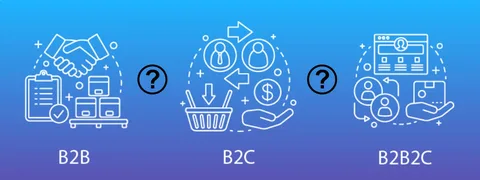
In today’s highly competitive market, businesses are constantly looking for cost-effective ways to acquire new customers while retaining their existing ones. One of the most effective strategies for achieving this is through b2c referrals programs. When implemented correctly, referral programs not only attract new customers but also build trust and loyalty among your existing audience. This article will explore maximizing growth: proven strategies for B2C referral programs and provide actionable insights for businesses aiming to leverage word-of-mouth marketing.
Understanding the Power of B2C Referral Programs
B2C referral programs capitalize on the natural tendency of consumers to share positive experiences with friends and family. Unlike traditional advertising, referrals carry inherent trust, which makes them more likely to convert. By encouraging satisfied customers to promote your product or service, businesses can tap into organic growth channels that are both cost-effective and sustainable.
Key Benefits of B2C Referral Programs:
- Higher conversion rates: Referred customers are more likely to make a purchase.
- Lower acquisition costs: Referral programs often require less marketing spend compared to paid ads.
- Enhanced customer loyalty: Rewarding both referrers and referees strengthens customer relationships.
Proven Strategies to Maximize Growth
To truly achieve maximizing growth: proven strategies for B2C referral programs, businesses must go beyond simply offering a referral incentive. Here are several effective approaches:
1. Offer Attractive and Relevant Rewards
The success of a referral program hinges on its reward structure. Incentives should appeal to both existing customers and potential referrals. Examples include discounts, gift cards, or exclusive early access to new products. Personalized rewards can also increase participation rates.
2. Make Referring Easy and Seamless
A referral program must be user-friendly. Streamlined processes such as one-click sharing via email or social media can dramatically increase participation. Clear instructions and minimal friction are key to turning your customers into active brand advocates.
3. Leverage Social Proof and Gamification
Displaying the number of referrals generated by users or offering tiered rewards for multiple referrals creates excitement and encourages engagement. Social proof—like testimonials or referral leaderboards—can amplify the program’s effectiveness.
4. Communicate and Promote the Program Consistently
Regular communication about your referral program through email newsletters, push notifications, and social media helps keep the program top-of-mind. Highlight success stories and benefits to maintain engagement and momentum.
5. Track, Analyze, and Optimize
Data-driven decisions are critical for maximizing growth. Track key metrics such as referral conversion rate, lifetime value of referred customers, and ROI. Use this information to refine your rewards, communication channels, and user experience for continuous improvement.
Conclusion
In conclusion, maximizing growth: proven strategies for B2C referral programs is not just about offering incentives—it’s about creating a seamless, engaging, and rewarding experience for customers. By implementing these strategies, businesses can harness the power of word-of-mouth marketing, reduce acquisition costs, and cultivate a loyal customer base. A well-executed referral program has the potential to transform your B2C growth strategy, turning satisfied customers into passionate advocates.
