


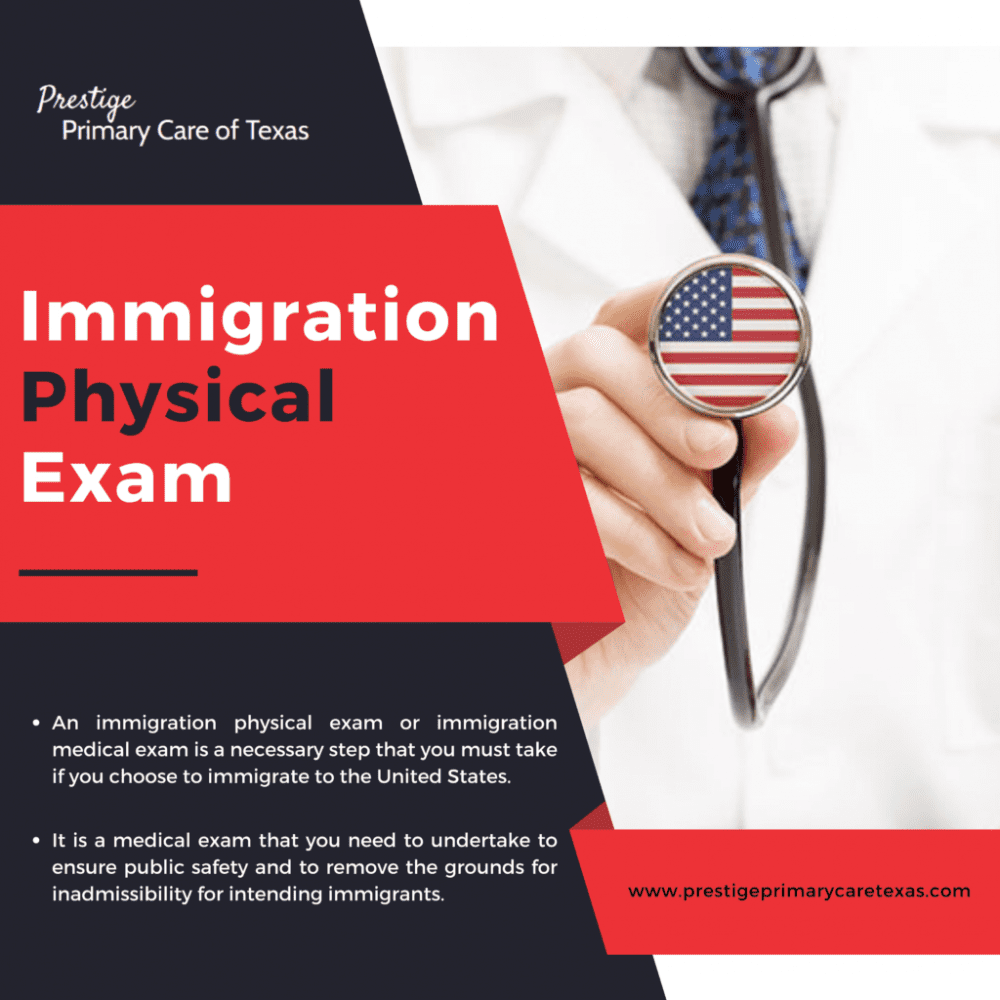
Immigrating to a new country involves a range of legal, financial, and health-related obligations. One of the most crucial yet often misunderstood aspects of this process is meeting the immigration medical Requirements. These requirements are designed to ensure that immigrants are in good health and do not pose a public health risk to the host country.
Understanding Immigration Medical Requirements
The Immigration Medical Requirements are a set of mandatory medical examinations and vaccinations that applicants must complete as part of the visa or residency process. The purpose is twofold:
- Protecting Public Health – By screening for contagious diseases such as tuberculosis (TB), hepatitis, and sexually transmitted infections, countries aim to prevent outbreaks.
- Ensuring Applicant Health – Screening also helps detect conditions that may require immediate medical attention, ensuring that immigrants receive proper care early on.
Key Components of Immigration Medical Exams
Medical exams typically include several steps:
1. Physical Examination
Applicants undergo a full physical assessment to check overall health, including vital signs, body mass index, and organ function. Doctors may inquire about past illnesses, surgeries, or chronic conditions.
2. Laboratory Tests
Laboratory tests often include blood tests for HIV, syphilis, and other communicable diseases. Chest X-rays are commonly required to detect tuberculosis, especially for adults and at-risk populations.
3. Vaccination Review
A review of vaccination history is mandatory to ensure compliance with the host country’s immunization guidelines. Vaccines may include measles, mumps, rubella, polio, and influenza, among others. Applicants lacking documentation may be required to receive the necessary vaccinations.
4. Mental Health Assessment
Some countries require mental health evaluations to identify conditions that might affect the applicant’s ability to integrate safely and productively into society. This may involve psychological interviews or screenings for substance abuse.
Common Challenges and Tips
Many applicants face difficulties in meeting Immigration Medical Requirements, such as missing vaccination records or pre-existing health conditions. Here are some practical tips:
- Plan Early – Schedule your medical exam well in advance to avoid delays in the immigration process.
- Maintain Records – Keep an organized record of vaccinations and past medical reports.
- Consult Authorized Physicians – Only designated civil surgeons or panel physicians approved by immigration authorities can conduct official exams.
Conclusion
Navigating the Immigration Medical Requirements for 2026 is an essential step for anyone seeking to move abroad. Understanding the process, preparing medical documents in advance, and adhering to vaccination protocols can make the journey smoother and ensure compliance with legal health standards. Being proactive about your health not only fulfills immigration obligations but also promotes a safe transition into your new country.
