


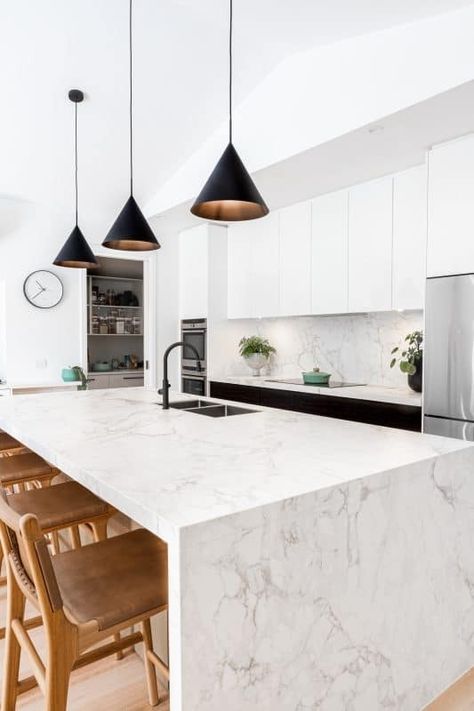
Choosing the right kitchen benchtop is an important decision, as it impacts both the functionality and aesthetics of your kitchen. When it comes to natural and engineered stone surfaces, quartz, granite, and marble are some of the most popular materials on the market. Each has its own set of advantages and disadvantages, so understanding the key differences will help you make an informed decision. In this article, we’ll explore how to choose between quartz, granite, and marble kitchen benchtops to find the perfect material for your home.
What to Consider When Choosing a Kitchen Benchtop
Before diving into the specifics of each material, it’s essential to consider a few factors that will influence your decision:
- Durability: How well does the material hold up to wear and tear, scratches, and stains?
- Maintenance: How easy is it to maintain the surface over time?
- Aesthetic Appeal: How does the material fit with your overall kitchen design?
- Price: What is your budget, and how does each material fit into it?
With these considerations in mind, let’s break down the pros and cons of quartz, granite, and marble.
Quartz Kitchen Benchtops
Quartz is an engineered stone made from natural quartz crystals and resin. It’s known for its durability and low maintenance requirements, making it a popular choice for modern kitchens.
Advantages of Quartz:
- Durability: Quartz is incredibly strong, non-porous, and resistant to scratches, stains, and heat. This makes it an excellent choice for busy kitchens.
- Low Maintenance: Unlike natural stone surfaces, quartz does not require sealing. It’s easy to clean with just soap and water, making it a low-maintenance option.
- Variety of Styles: Quartz comes in a wide range of colors, patterns, and finishes, so you can easily find a design that suits your kitchen style.
Disadvantages of Quartz:
- Not Heat Resistant: Quartz can be damaged by high heat, so it’s important to use trivets or hot pads to protect the surface.
- Synthetic Look: While quartz offers a lot of design variety, it can lack the natural variation and depth that granite and marble provide.
How to choose quartz: If you’re looking for a low-maintenance, durable, and versatile material, quartz is a great option, especially for families or anyone with a busy kitchen.
Granite Kitchen Benchtops
Granite is a natural stone known for its beauty and longevity. Each granite slab is unique, offering rich textures and patterns that add a timeless appeal to any kitchen.
Advantages of Granite:
- Natural Beauty: Granite’s distinctive patterns and colors make each slab one-of-a-kind, adding a natural elegance to your kitchen.
- Durability: Granite is highly resistant to heat, scratches, and stains, though it does require sealing to maintain its performance.
- High-Value Investment: Because of its luxurious appearance and long lifespan, granite adds value to your home.
Disadvantages of Granite:
- Requires Sealing: Granite is porous, so it must be sealed regularly to prevent stains and bacterial growth.
- Higher Cost: Granite tends to be more expensive, especially for high-quality slabs with intricate patterns.
- Heavier: Due to its density, granite benchtops are heavy, which may require reinforced cabinetry.
How to choose granite: If you want a luxurious, natural stone surface that adds timeless beauty and is capable of withstanding heat and wear, granite is an excellent option. However, be ready to invest in maintenance and sealing.
Marble Kitchen Benchtops
Marble is another natural stone that exudes sophistication and charm. It is renowned for its classic beauty and elegant veining.
Advantages of Marble:
- Aesthetic Appeal: Marble’s unique veining and soft, luminous quality make it one of the most visually stunning materials. It creates an upscale, high-end look in any kitchen.
- Heat Resistance: Marble is highly heat-resistant, making it perfect for bakers or home chefs who often work with hot pots or baking sheets.
Disadvantages of Marble:
- Prone to Staining and Scratching: Marble is more porous than granite and quartz, which means it’s susceptible to staining from acidic foods like wine, coffee, and lemon juice. It can also scratch more easily.
- High Maintenance: Due to its porosity, marble requires regular sealing and careful maintenance to avoid damage. Additionally, it may develop a patina or dullness over time, which some homeowners appreciate, but others may not.
- Cost: Like granite, marble can be quite expensive, especially for premium varieties.
How to choose marble: If you love the timeless, elegant aesthetic of marble and don’t mind the upkeep, it’s an excellent option for those who appreciate the beauty of natural stone and are prepared to handle the maintenance involved.
Final Thoughts: How to Choose Between Quartz, Granite, and Marble Kitchen Benchtops
When deciding how to choose between quartz, granite, and marble kitchen benchtops, it ultimately comes down to your priorities. If you’re seeking a low-maintenance, durable, and customizable material, quartz is your best bet. If natural beauty, individuality, and heat resistance are essential, granite is a great choice. For those who value luxurious appearance and don’t mind the extra maintenance, marble offers a timeless elegance that few materials can match.
