


Autonomous drones are revolutionizing industries, from agriculture and logistics to surveying and emergency response. One of the core technologies enabling these drones to navigate safely and efficiently is GNSS system in autonomous drones. These systems provide precise positioning and timing information, allowing drones to operate reliably even in complex environments.
Understanding GNSS Systems
GNSS, or Global Navigation Satellite Systems, refers to satellite-based systems that provide geolocation and time information anywhere on or near the Earth. Popular GNSS systems include GPS (United States), GLONASS (Russia), Galileo (European Union), and BeiDou (China). By connecting to multiple satellites, autonomous drones can calculate their exact position with remarkable accuracy.
Role of GNSS in Autonomous Drone Navigation
For autonomous drones, accurate navigation is crucial. GNSS systems in autonomous drones offer several key advantages:
- Precision Positioning: Drones rely on GNSS data to maintain a stable flight path, avoiding obstacles and ensuring accurate delivery or mapping.
- Real-Time Tracking: GNSS allows operators to track drones in real time, enhancing safety and operational efficiency.
- Geofencing Capabilities: Drones can be programmed to avoid restricted areas using GNSS coordinates, preventing accidental entry into no-fly zones.
Challenges and Solutions
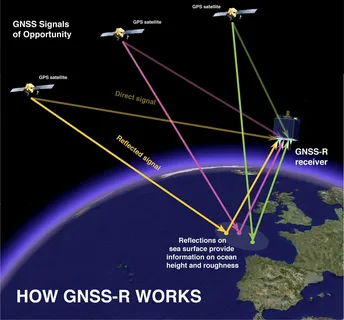
Despite their advantages, GNSS systems in autonomous drones face challenges such as signal interference, urban canyon effects, and multipath errors caused by tall structures. Modern drones often combine GNSS with inertial measurement units (IMUs), LiDAR, or visual odometry to improve reliability and maintain navigation accuracy in areas where satellite signals are weak or obstructed.
Future of GNSS in Autonomous Drones
As GNSS technology advances, autonomous drones will achieve even greater levels of independence and precision. Integration with AI-driven navigation systems and enhanced satellite constellations promises a future where drones can operate in complex environments without human intervention, truly offering navigation without boundaries.
Conclusion
The integration of GNSS systems in autonomous drones is transforming how drones navigate and operate. By providing precise, reliable, and real-time positioning information, these systems enable drones to perform complex tasks with minimal human input. As technology continues to evolve, GNSS-driven navigation will remain at the forefront of autonomous drone innovation, opening new horizons for industries worldwide.
