


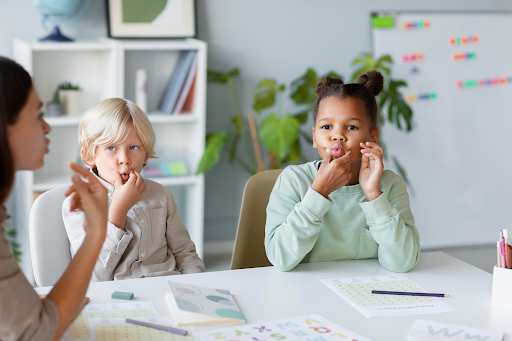
When it comes to helping children improve their communication skills, making learning enjoyable is just as important as making it effective. Kids learn best when they are engaged, excited, and having fun.
This is why many modern speech therapy techniques focus on play-based activities, creativity, and interactive tools that keep children motivated. By blending learning with fun, children develop clear speech, strong language skills, and greater confidence in communication.
Play-Based Learning for Natural Language Development
Play is one of the most powerful tools used in speech therapy for kids. Children naturally express themselves through play, making it the perfect opportunity to practice new sounds and build vocabulary.
Activities like pretend play, role-playing games, and toy-based storytelling encourage children to talk freely, make sentences, and use expressive language. Through these playful interactions, children learn without feeling pressured, creating a positive environment that encourages communication growth.
Using Songs, Rhymes, and Music to Build Speech Skills
Music is a fantastic way to support speech and language development. Songs and rhymes help children learn rhythm, sound patterns, and pronunciation. Repetitive phrases in songs make it easier for kids to remember and practice new words.
Speech therapy often includes singing nursery rhymes, clapping games, and simple musical instruments that encourage children to produce sounds and follow verbal cues. Music-based learning boosts memory, attention, and articulation in an enjoyable and memorable way.
Interactive Storytelling and Picture Books
Storytelling is an essential part of helping children improve language skills. Picture books, story cards, and interactive digital stories encourage kids to describe scenes, answer questions, and express ideas. Through speech therapy sessions, children learn to identify objects, build sentences, and understand story sequences.
Reading also strengthens listening skills and comprehension. Engaging visuals and interesting stories make the learning process enjoyable while enhancing vocabulary and expressive language.
Art and Craft Activities for Better Expression
Creative activities such as drawing, coloring, and crafting are highly effective in speech therapy. When children create something, they naturally talk about it, describe colors, shapes, and actions.
This encourages expressive language and helps children practice descriptive words. Art activities also improve fine motor skills, which are connected to overall speech development. Whether it’s making a simple paper puppet or drawing a picture, these hands-on exercises promote natural communication.
Technology and Games to Boost Motivation
Digital tools and interactive games add excitement to speech therapy sessions. Educational apps, flashcard games, and simple computer activities help children practice sounds, vocabulary, and sentence structure in a fun way.
Kids love technology, so incorporating it into learning keeps them interested and motivated. Game-based speech therapy allows children to earn points, unlock levels, and enjoy friendly challenges, making practice feel like play rather than work.
Final Thoughts
Helping children improve their communication skills doesn’t have to be boring or stressful. By using fun and engaging techniques, speech therapy becomes an enjoyable journey that supports both learning and confidence.
From music and storytelling to play-based activities and technology, every method encourages children to express themselves clearly and confidently. When therapy feels like fun, kids stay motivated, make faster progress, and develop strong communication skills that support their growth for years to come.
