


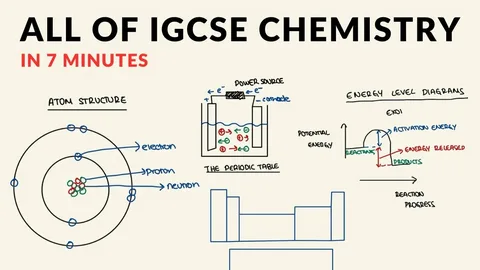
Preparing for the IGCSE (International General Certificate of Secondary Education) can feel overwhelming, especially for first-time learners. However, with the right strategies and resources, you can approach your studies with confidence. This guide provides a step-by-step approach to help you excel in your IGCSE exams.
Understanding the IGCSE
The IGCSE is an internationally recognized qualification offered to students typically aged 14-16. It covers a wide range of subjects, including Mathematics, Sciences, Languages, and Humanities. Understanding the exam structure, grading system, and syllabus requirements is the first step in effective preparation.
Key Components:
- Core Subjects: Math, English, Science
- Optional Subjects: Humanities, Languages, Creative Arts
- Assessment: A mix of written exams, coursework, and practical assessments depending on the subject
Setting Up an Effective Study Plan
A well-structured study plan is crucial for first-time learners. It ensures consistent progress and prevents last-minute stress.
Steps to Create a Study Plan:
- Analyze the Syllabus: Break down each subject by topics and exam weightage.
- Allocate Study Time: Dedicate more time to challenging subjects while maintaining balance.
- Set Weekly Goals: Small, achievable goals boost motivation and track progress.
- Include Revision: Regular revision ensures retention and understanding.
Using A Complete Guide to IGCSE Preparation for First-Time Learners as a reference, beginners can structure their study schedule effectively.
Choosing the Right Resources
Resources play a critical role in IGCSE preparation. First-time learners should focus on:
- Textbooks and Revision Guides: Ensure they are aligned with the latest IGCSE syllabus.
- Past Papers: Practice past exams to familiarize yourself with question patterns and time management.
- Online Resources and Tutorials: Many platforms offer video lessons, quizzes, and interactive exercises.
Effective Study Techniques
To maximize learning, first-time learners can adopt the following techniques:
- Active Recall: Test yourself on topics instead of passive reading.
- Mind Maps and Notes: Summarize information visually for better retention.
- Group Study: Discussing concepts with peers can improve understanding.
- Timed Practice: Simulate exam conditions to enhance speed and accuracy.
Managing Stress and Staying Motivated
Exam preparation can be stressful. Maintaining a healthy balance between study and rest is essential:
- Take regular breaks to avoid burnout.
- Practice mindfulness or light exercises to stay relaxed.
- Reward yourself after completing milestones to stay motivated.
Final Thoughts
Embarking on IGCSE preparation for the first time can be challenging, but with structured planning, the right resources, and effective study techniques, success is achievable. Remember, consistency and smart work outweigh last-minute cramming. Following A Complete Guide to IGCSE Preparation for First-Time Learners will equip you with the strategies needed to confidently tackle your exams and achieve your academic goals.
