


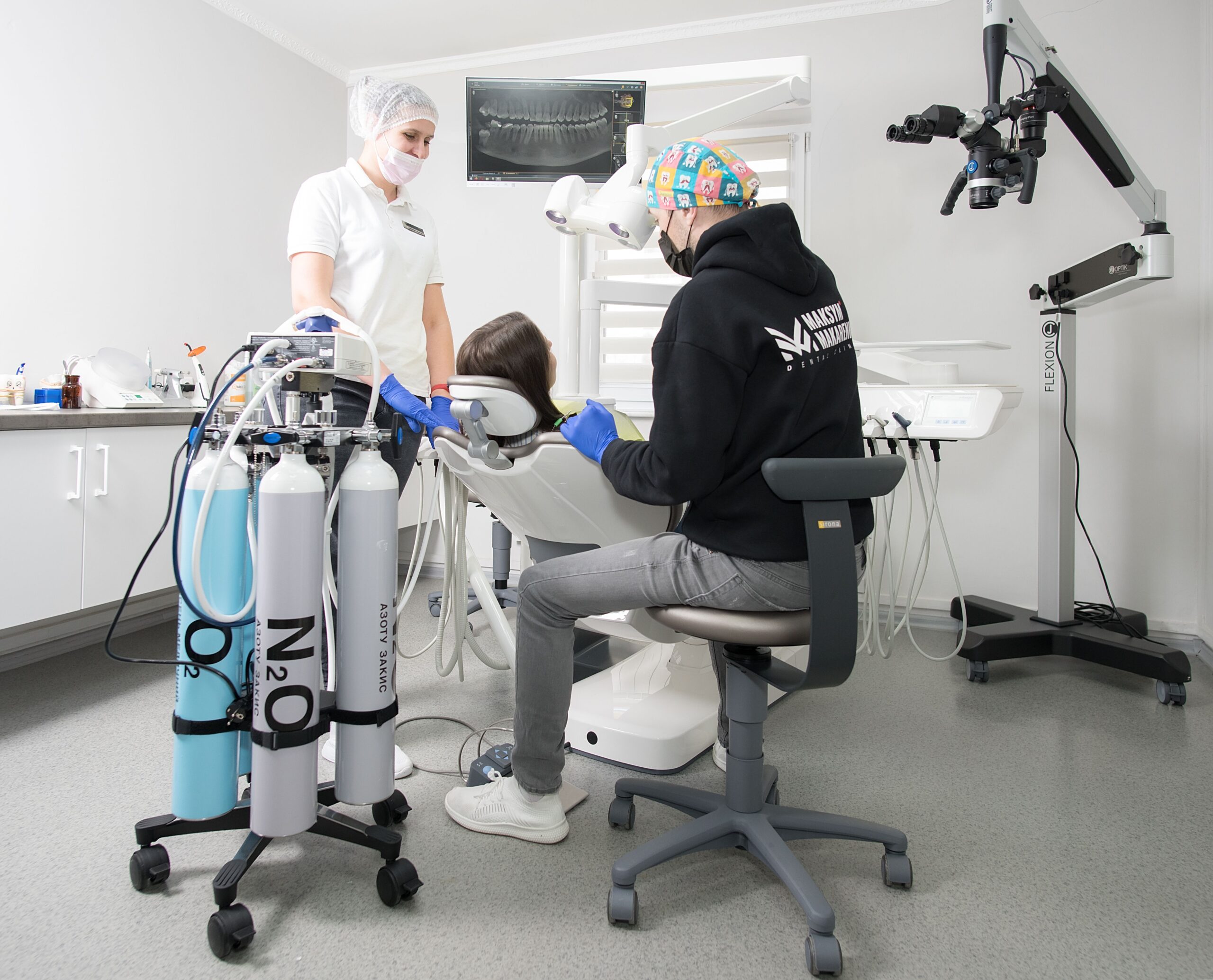
For many people, visiting the dentist is not a simple routine appointment. It can be a source of stress, hesitation, or even avoidance. This emotional barrier often leads individuals to delay care until discomfort becomes unavoidable. Sedation dentistry offers a thoughtful solution to this challenge by creating a more relaxed and manageable experience during dental treatment.
Rather than changing the nature of dental procedures themselves, sedation dentistry changes how patients experience them. It helps reduce fear, improve comfort, and make it easier for individuals to receive the care they need without unnecessary distress. Understanding why it is becoming more widely used can help patients feel more confident about considering it as an option.
A Calmer Experience for Anxious Patients
Dental anxiety is more common than many people realize. It can stem from past experiences, fear of pain, sensitivity to clinical environments, or even a general discomfort with loss of control. Regardless of the cause, this anxiety can be powerful enough to prevent people from scheduling necessary appointments.
Sedation dentistry helps ease this emotional response by placing patients in a deeply relaxed state. While they remain conscious in most cases, their awareness of the procedure is significantly reduced. This calmer mental state allows patients to feel less tension before and during treatment.
As anxiety decreases, dental visits often become more approachable, helping individuals maintain consistent oral care rather than avoiding it.
A More Comfortable Way to Handle Dental Procedures
Even when local anesthesia is used effectively, patients may still feel pressure, movement, or vibration during dental work. For some, these sensations can create discomfort or unease.
Sedation dentistry helps minimize awareness of these sensations, making the entire experience feel smoother and less intrusive. Instead of focusing on every detail of the procedure, patients often feel detached from the stress of the process.
This improved comfort is especially helpful during procedures that take longer or require multiple steps. The experience feels less like a medical event and more like a quiet period of rest.
Helping Patients Stay Still and Relaxed
One of the challenges in dentistry is ensuring that patients remain still during treatment. Even small movements can make procedures more difficult or extend appointment times.
Sedation dentistry naturally encourages a relaxed and steady state. Patients are less likely to feel restless, tense, or reactive during treatment. This allows dental professionals to work with greater precision and efficiency.
The result is a smoother appointment for both the patient and the dental team, often reducing the need for repeat visits or extended sessions.
Making Lengthy Procedures Easier to Manage
Some dental treatments require more time than others. Complex restorations, multiple fillings, or deep cleanings can take longer to complete. For patients who feel anxious, sitting through extended procedures can feel overwhelming.
Sedation dentistry helps shorten the perceived experience of time. Patients often feel as though the procedure passes quickly, even when it involves significant work.
This benefit can be especially valuable for individuals with busy schedules or those who want to minimize the number of visits required for treatment.
Supporting Patients With Strong Sensory Reactions
Certain individuals have heightened sensitivity to dental environments. Sounds from dental tools, bright lights, or sensations in the mouth can feel overstimulating.
Sedation helps reduce these sensory responses, allowing patients to remain calm even in environments that would normally feel overwhelming. This creates a more controlled and peaceful experience.
For people who have avoided dental care due to sensory discomfort, sedation dentistry can be a turning point that makes treatment feel achievable again.
Encouraging Consistent Dental Care
Avoidance of dental visits often leads to worsening oral health over time. Small issues that could have been addressed early may develop into more serious problems when treatment is delayed.
Sedation dentistry helps break this pattern by reducing the fear associated with appointments. When patients feel more comfortable attending visits, they are more likely to maintain regular checkups and address concerns early.
This consistency supports healthier long-term outcomes and reduces the likelihood of emergency dental situations.
Improving the Overall Dental Experience
A positive dental experience can significantly influence how a person views oral care in the future. When fear or discomfort is reduced, patients are more likely to approach dental visits with a neutral or even positive mindset.
Sedation dentistry contributes to this shift by removing the emotional barriers that often make appointments difficult. Over time, patients may feel less resistant to scheduling care and more confident about maintaining their oral health.
In some dental environments, such as those focused on patient-centered care like Restore Dental Wellness, sedation options are part of a broader effort to make treatment more comfortable and accessible without overwhelming the patient experience.
Supporting Complex or Multiple Treatments
Some patients require multiple procedures to restore their oral health. Completing several treatments in one sitting can be challenging without support, especially for individuals with anxiety.
Sedation dentistry allows dentists to complete more work in a single appointment while keeping the patient comfortable. This reduces the need for multiple visits and helps streamline the treatment process.
For patients, this can mean fewer interruptions to their daily lives and a more efficient path toward improved dental health.
Reducing Emotional Fatigue During Visits
Dental anxiety is not only physical but also emotional. The anticipation of discomfort or fear of the unknown can create stress even before the appointment begins.
Sedation helps reduce this emotional strain by calming the mind and allowing patients to feel more at ease. Many individuals report feeling less drained after appointments when sedation is used compared to traditional dental visits.
This emotional relief can make a meaningful difference, especially for patients who previously associated dentistry with stress or avoidance.
A Flexible Option for Different Needs
Sedation dentistry is not a one-size-fits-all solution. It can be adjusted based on the level of anxiety, the type of procedure, and the patient’s overall health needs.
This flexibility allows dental professionals to tailor care in a way that best suits each individual. Whether someone needs minimal relaxation or deeper sedation, the goal remains the same: to make dental care more comfortable and accessible.
Final Thoughts
Sedation dentistry offers a practical and compassionate approach to modern dental care. By reducing anxiety, improving comfort, and making procedures more manageable, it helps patients receive the treatment they need without unnecessary stress.
From easing fear and supporting longer procedures to encouraging consistent oral health habits, the benefits extend far beyond the dental chair. For many individuals, sedation dentistry transforms the experience of visiting the dentist into something calmer, more controlled, and far more approachable.
In the end, it is not just about completing treatment—it is about making dental care feel possible for those who might otherwise avoid it.
