


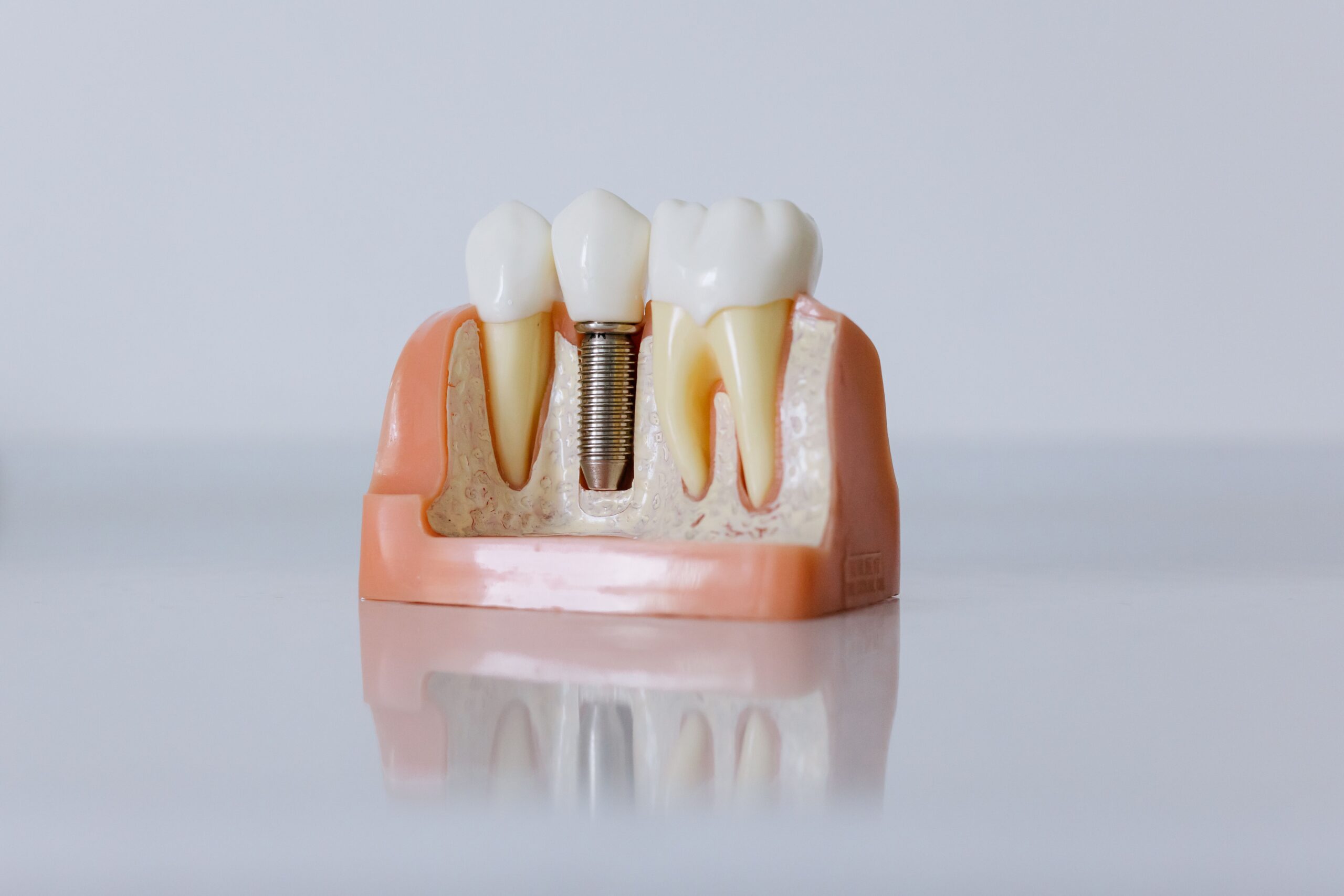
Tooth loss is more than a cosmetic concern. It can quietly affect how a person eats, speaks, smiles, and even how they feel in social situations. While there are several ways to replace missing teeth, dental implants have become one of the most reliable long-term solutions available in modern dentistry. Their value goes beyond simply filling a gap in the mouth—they help restore function, confidence, and overall oral stability in a way that closely resembles natural teeth.
Understanding the benefits of dental implant procedures can help patients make informed decisions about their oral health and long-term well-being.
A Natural Look That Restores Confidence
One of the first things people notice after losing a tooth is the change in their appearance. Even a single missing tooth can affect the balance of a smile and alter facial expression. A dental implant procedure is designed to restore missing teeth in a way that closely resembles natural teeth, blending in with surrounding teeth in both shape and color.
Unlike removable dentures that may shift or feel artificial, implants are fixed securely in place. This stability helps individuals smile, laugh, and speak without worrying about movement or gaps showing. Over time, many patients report that they forget which tooth was replaced because it integrates so seamlessly into their mouth.
This restoration of appearance often leads to improved self-esteem, which can positively influence social interactions and personal confidence.
Improved Chewing Ability and Eating Comfort
Missing teeth can make everyday eating more complicated than expected. Foods that require firm biting or thorough chewing may become difficult or uncomfortable to consume. As a result, people often adjust their diets, avoiding certain foods they once enjoyed.
Dental implants function much like natural tooth roots, providing strong support for chewing. This allows individuals to bite into a wider variety of foods without discomfort or fear of instability.
From crisp fruits to hearty meals, implants restore the ability to enjoy a full and balanced diet. This improvement in chewing efficiency can also support better digestion and overall nutrition, since food can be broken down more effectively before swallowing.
Protection of Jawbone Structure
One of the lesser-known consequences of tooth loss is bone deterioration in the jaw. When a natural tooth is lost, the jawbone in that area no longer receives stimulation from chewing forces. Over time, this lack of stimulation can cause the bone to shrink or weaken.
Dental implants are unique because they replace the tooth root as well as the visible crown. The implant integrates with the jawbone, providing the stimulation needed to help maintain bone density.
This structural support helps preserve facial shape and prevents the sunken appearance that can sometimes occur with long-term tooth loss. By maintaining bone health, implants contribute not only to oral stability but also to facial harmony.
Long-Term Durability and Stability
When considering tooth replacement options, longevity is an important factor. Dental implants are designed to be a long-lasting solution when properly cared for.
Unlike bridges or dentures that may require periodic adjustments or replacements, implants are built to remain stable for many years. Their durability comes from the way they fuse with the bone, creating a strong and secure foundation.
This long-term reliability makes implants a practical investment for individuals seeking a permanent solution rather than a temporary fix. While proper oral hygiene and regular dental checkups are still essential, implants often require less maintenance compared to other replacement methods.
Better Speech Clarity
Teeth play an important role in how we form words and sounds. When teeth are missing, speech patterns can change, sometimes leading to slurring or difficulty pronouncing certain words.
Dentures may also shift slightly during speaking, which can further affect clarity and confidence. Dental implants eliminate this concern by remaining fixed in place.
Because they function like natural teeth, implants allow for more stable tongue placement and airflow control during speech. This helps individuals communicate more clearly and comfortably in both personal and professional settings.
Convenience Without Daily Removal
One of the most appreciated benefits of dental implants is their convenience. Unlike removable dentures, implants do not need to be taken out for cleaning or soaked overnight.
They are cared for much like natural teeth, requiring regular brushing, flossing, and routine dental visits. This simplicity makes them easier to integrate into daily life.
The absence of special adhesives, cleaning solutions, or storage routines reduces maintenance stress and allows individuals to focus more on their daily activities without additional steps in their oral care routine.
Support for Adjacent Teeth
When a tooth is missing, surrounding teeth may begin to shift into the empty space over time. This movement can lead to misalignment, bite issues, and uneven wear on other teeth.
Dental implants help maintain proper spacing by filling the gap and providing structural support. This prevents neighboring teeth from drifting and helps preserve overall alignment.
By maintaining the natural positioning of teeth, implants contribute to a healthier bite and reduce the likelihood of future dental complications.
Emotional and Psychological Benefits
The impact of tooth loss is not limited to physical changes. Many individuals experience emotional effects such as reduced confidence or hesitation in social situations.
Restoring a complete smile through dental implants can significantly improve emotional well-being. People often feel more comfortable engaging in conversations, smiling in photos, and participating in social events.
This renewed confidence can extend into professional environments as well, where appearance and communication often play a role in self-presentation.
A Modern Solution Backed by Advancing Technology
Dental implant procedures continue to improve as technology advances. Modern imaging techniques and precise surgical planning allow for more accurate placement and better outcomes.
These advancements have made the procedure more predictable and accessible than ever before. Patients benefit from improved comfort during treatment and more reliable long-term results.
As dentistry evolves, implants remain one of the most trusted solutions for tooth replacement due to their combination of functionality, aesthetics, and durability.
Final Thoughts
Dental implant procedures offer far more than a cosmetic improvement. They restore essential functions such as chewing and speaking, protect jawbone health, and support long-term oral stability. At the same time, they provide emotional benefits by helping individuals regain confidence in their smiles.
For those seeking a lasting solution to tooth loss, dental implants represent a comprehensive approach that addresses both practical needs and quality of life. Their ability to function like natural teeth while preserving oral structure makes them one of the most effective options available in modern dental care.
