


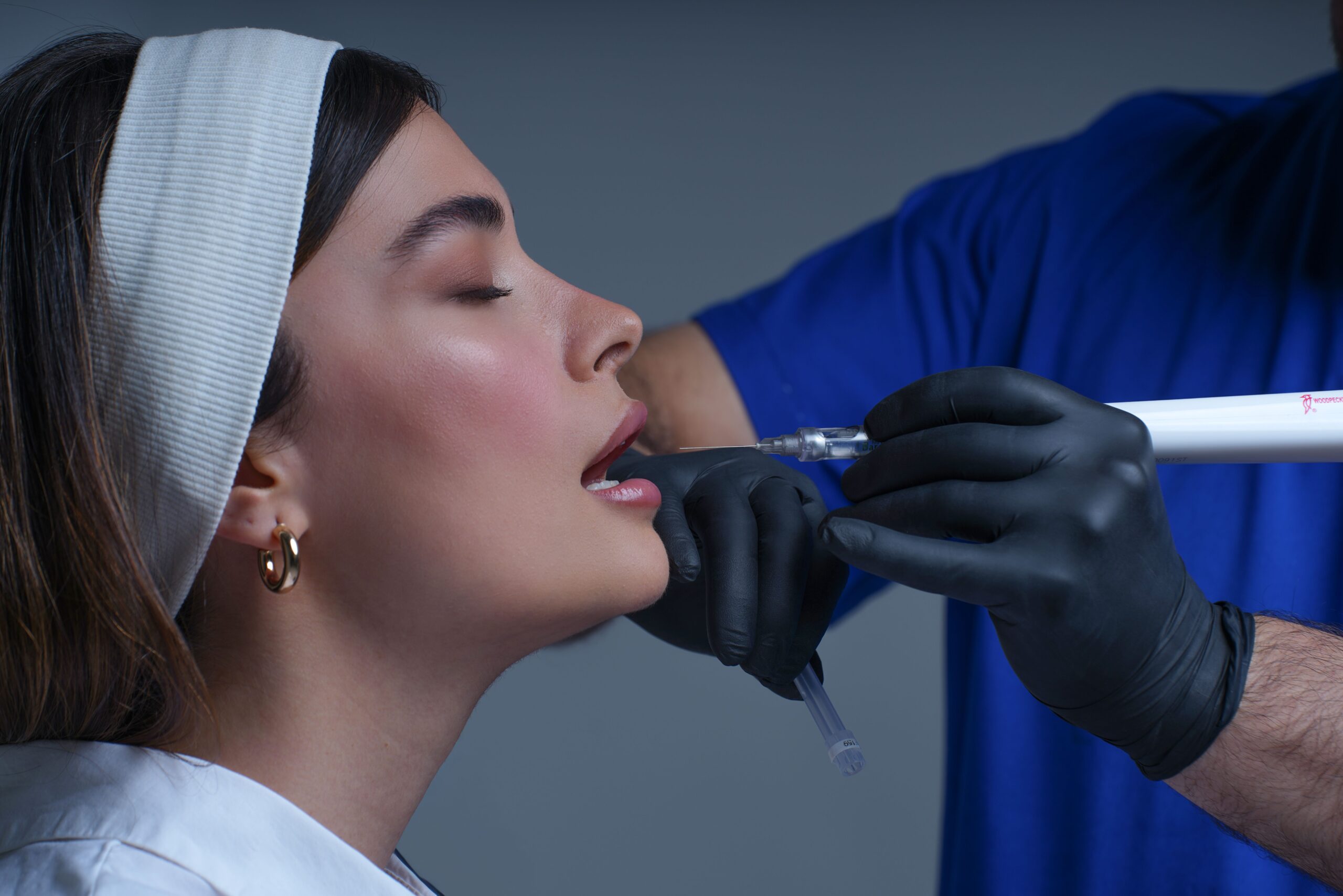
Entering the world of aesthetic medicine is an exciting shift for licensed healthcare professionals looking to expand their clinical horizons. While medical school and nursing programs provide an incredible foundation for patient care, cosmetic procedures require a completely different set of specialized skills. A foundational training course serves as the gateway to mastering these delicate techniques safely and effectively.
Practitioners quickly discover that facial rejuvenation is the perfect marriage of medical science and creative artistry. Moving away from acute illness care allows injectors to focus entirely on wellness, confidence, and preventative beauty.
By mastering the core principles of non-surgical enhancements, medical professionals can successfully diversify their careers. This path allows them to step away from administrative burnout and build a highly rewarding, cash-based practice.
Mastering Subtle Facial Symmetry and Surface Anatomy
The first major milestone in any foundational cosmetic course is learning how to analyze the human face through a specialized aesthetic lens. Practitioners must move past general anatomy to understand exactly how underlying muscles interact with the overlying skin. Training programs focus heavily on identifying natural asymmetry and determining how specific movements cause wrinkles over time.
Understanding these physical relationships helps injectors determine precisely where to place products to achieve a balanced, refreshed look. Every patient possesses a unique bone structure and muscle strength that dictates their specific treatment plan. Accurate facial mapping ensures final results look natural rather than frozen or overfilled.
Understanding Product Properties and Dilution Science
A successful injector must understand the specific science behind the cosmetic products they use during a treatment. Foundational courses teach the critical differences between muscle-relaxing neuromodulators and volume-enhancing dermal fillers. Practitioners learn how to properly reconstitute delicate cosmetic powders with sterile saline solutions to achieve the ideal concentration.
Understanding product thickness is essential because different facial areas require specific types of gel consistency. For instance, a provider might review structural product guidelines at a training center like Aesthetic Medical Training to learn which formulas lift cheeks versus which ones smooth fine lip lines. Mastering these precise product physics prevents common placement errors and guarantees beautiful, long-lasting results for the patient.
Developing Safe Needle Techniques and Depth Control
Cosmetic injections require excellent hand-eye coordination and a deep understanding of tissue depth. Beginners practice stabilizing their hands to deliver micro-droplets with absolute precision. Instructors emphasize exact needle angles to ensure product lands in the correct tissue layer.
Placing a product too superficially or too deeply can completely alter the final visual outcome or cause unnecessary bruising. Trainees spend significant time mastering the physical feedback of the syringe to gauge tissue resistance during a live procedure. Learning to feel the subtle differences between skin layers helps prevent complications before they even happen.
Developing this essential muscle memory gives new injectors the confidence they need to transition smoothly into a real clinical setting. This hands-on practice bridges the gap between textbook knowledge and real-world application.
Conducting Thorough Consultations and Managing Patient Expectations
The ability to communicate effectively with a cosmetic patient is just as important as the physical injection process itself. Foundational training teaches providers how to guide individuals through a comprehensive aesthetic consultation. Practitioners learn to ask targeted questions that uncover what the patient truly wants to improve about their appearance.
Managing expectations requires explaining what non-surgical treatments can realistically achieve compared to invasive plastic surgery. Providers must also master the art of gentle education when a patient requests an unflattering or unsafe amount of product. Building this professional trust during the initial meeting ensures high patient satisfaction and encourages long-term loyalty to the clinic.
Recognizing Complications and Implementing Safety Protocols
Patient safety remains the ultimate priority throughout every single cosmetic procedure performed in a medical spa. Basic certification courses dedicate substantial time to teaching practitioners how to identify early signs of adverse reactions. Instructors provide clear, step-by-step protocols for managing rare issues like accidental blood vessel blockages.
Trainees learn how to stock and use emergency dissolving agents that can quickly reverse hyaluronic acid fillers if needed. Understanding these safety measures removes the fear of the unknown and empowers providers to practice with complete peace of mind. Comprehensive safety knowledge separates amateur injectors from highly successful, elite aesthetic professionals.
Conclusion
Completing a basic neurotoxin and dermal filler course provides the essential building blocks for a prosperous career in cosmetic medicine. The journey requires a dedication to learning specialized clinical techniques, product chemistry, and facial artistry. Practitioners who master these foundational skills set themselves up for long-term professional success.
As the public demand for minimally invasive beauty treatments grows, well-trained injectors remain highly sought after in the medical marketplace. Taking the initiative to complete a comprehensive certification class opens the door to immense professional freedom. Ultimately, mastering these core competencies allows healthcare providers to confidently step into the lucrative world of aesthetics.
