


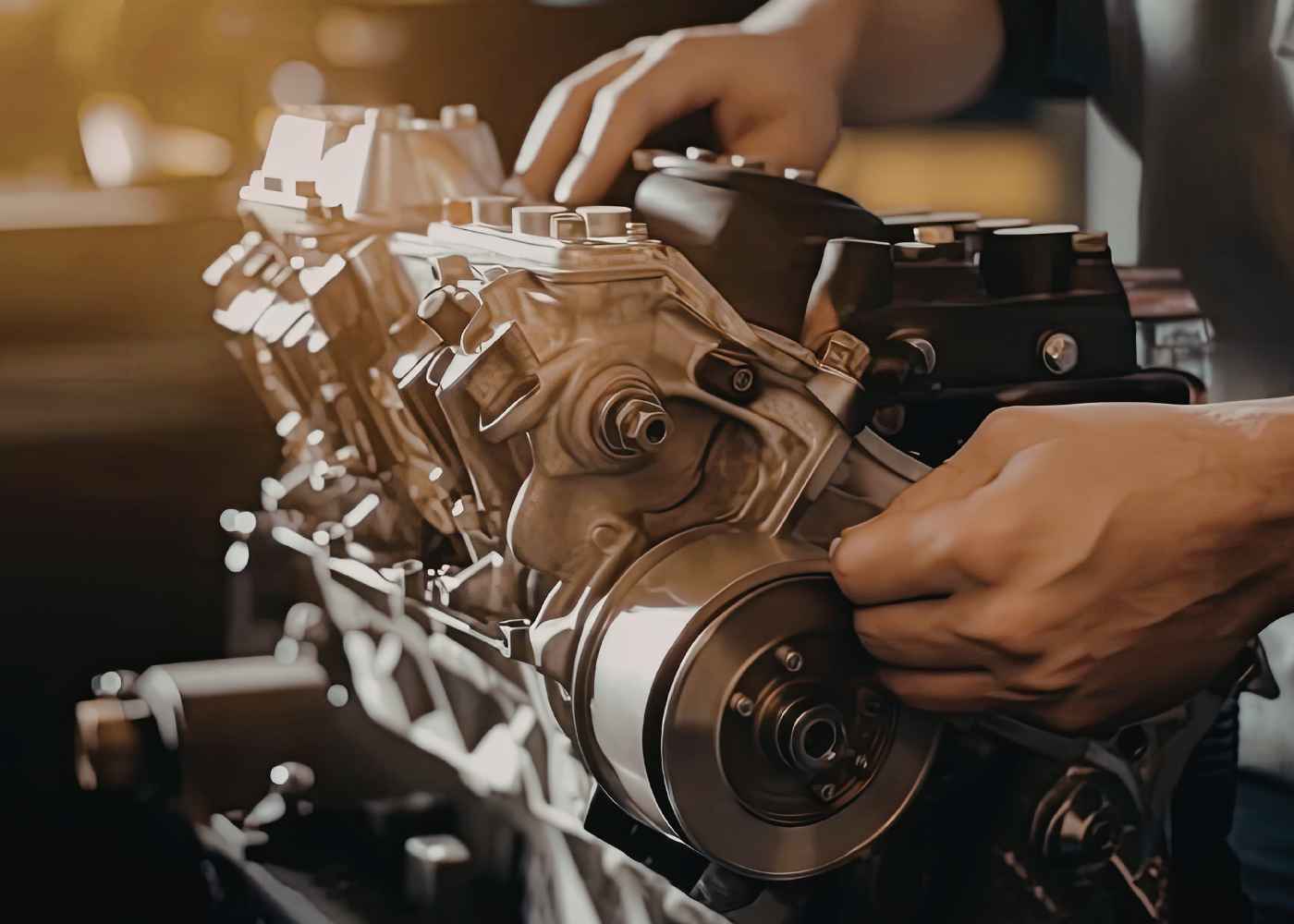
Replacing a failed engine represents a significant investment for any vehicle owner, and choosing between new, used and remanufactured options requires careful evaluation of cost, quality and risk. A remanufactured engine offers an attractive middle ground, providing restored performance at prices below new replacement costs. However, the true value of any remanufactured engine depends heavily on the warranty backing it, which separates reputable rebuilders from those cutting corners on quality.
Understanding why warranties matter and what they should cover helps buyers make informed decisions that protect their investments while getting their vehicles back on the road or trail with confidence.
Reflecting Builder Confidence
A warranty represents more than just a promise to fix problems. It reflects how confident a rebuilder is in the quality of their work. Companies that use high-quality OEM or better parts and employ experienced technicians stand behind their engines with comprehensive warranty coverage because they expect their work to perform as promised.
Rebuilders offering minimal or no warranty protection may be signaling concerns about their own workmanship or parts quality. While their initial prices might appear attractive, the absence of meaningful warranty coverage shifts all risk to buyers who have no recourse if problems develop shortly after installation.
The length of warranty coverage indicates how long rebuilders expect their engines to perform without issues. Companies willing to warrant a remanufactured engine for extended periods demonstrate confidence in durability that extends well beyond the initial break-in phase.
Protecting Against Hidden Defects
Even the most thorough remanufacturing process cannot guarantee that every component will perform perfectly. Internal defects in parts, assembly errors that escape quality control, and compatibility issues with specific vehicle applications can all cause problems that only become apparent after engines are installed and running.
Warranty coverage protects buyers from bearing the full cost of addressing these hidden defects. Rather than facing another major expense after already investing in engine replacement, warranty holders can have problems resolved at no additional cost or minimal expense, depending on coverage terms.
The inspection and testing processes that precede shipping cannot replicate every condition engines will face in actual operation. Warranty protection acknowledges this reality by providing recourse when unexpected issues arise despite careful remanufacturing practices.
Covering Labor and Parts
Warranty terms vary significantly in what they actually cover, making careful review essential before purchase. Some warranties cover only the cost of replacement parts, leaving buyers responsible for labor expenses that can equal or exceed parts costs. Others provide comprehensive coverage, including both parts and installation labor.
Understanding exactly what warranty coverage includes prevents unpleasant surprises when claims become necessary. Buyers should ask specifically whether labor costs are covered and whether coverage requires installation by certified technicians or allows work by any qualified mechanic.
Core exchange policies also affect overall value. Many remanufactured engine purchases involve returning the original failed engine as a core that the rebuilder can remanufacture for future customers. Understanding core requirements and how they interact with warranty coverage prevents complications.
Evaluating Warranty Duration
Standard warranty periods for remanufactured engines vary among rebuilders. Some offer coverage for only a few months, while others provide protection extending to a year or longer. The duration of coverage should factor into purchase decisions alongside initial pricing.
Optional extended warranty coverage allows buyers to customize protection levels based on their risk tolerance and intended use patterns. Vehicles used heavily or in demanding conditions may warrant additional coverage even if base warranty terms seem adequate for lighter applications.
Coverage duration should align with realistic expectations for how long engines should perform without problems. A remanufactured engine built to proper specifications using quality parts should operate reliably for extended periods, and warranty terms should reflect that expectation.
Simplifying the Claims Process
Warranty value depends not only on coverage terms but also on how easily claims can be filed and resolved. Rebuilders who make claims processes complicated or adversarial effectively reduce the practical value of their warranty promises.
Reputation and reviews provide insight into how rebuilders actually handle warranty situations. Companies that communicate clearly, respond promptly to issues and resolve problems fairly demonstrate the commitment to customer satisfaction that makes warranties meaningful rather than theoretical.
Geographic considerations affect claims processes for buyers far from rebuilding facilities. Understanding how warranty service works across distances, including whether engines must be returned or whether local repairs qualify for reimbursement, helps buyers assess practical warranty value.
Making Informed Decisions
The best remanufactured engine purchase combines quality workmanship, appropriate pricing and meaningful warranty protection. Evaluating all three factors together produces better outcomes than focusing solely on initial cost while ignoring the protection that warranty coverage provides.
Buyers should request detailed warranty documentation before purchasing and read the terms carefully, rather than assuming coverage matches verbal representations. Written warranty terms govern actual obligations regardless of what salespeople may promise conversationally.
A remanufactured engine backed by comprehensive warranty coverage from a reputable rebuilder offers value that extends well beyond the initial purchase. The confidence that comes from knowing problems will be addressed provides peace of mind that justifies any premium quality rebuilders charge over competitors offering minimal protection.
