


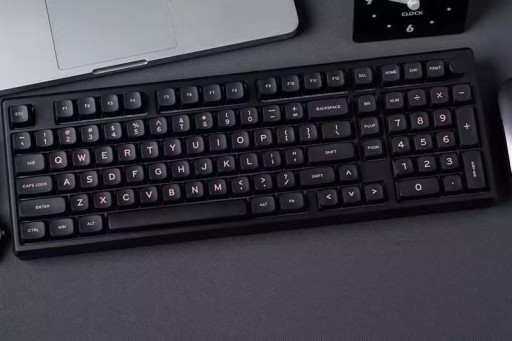
Choosing the right keyboard can significantly affect your typing experience, whether for work, gaming, or everyday use. When it comes to full-size keyboards, the debate often narrows down to two primary types: mechanical or membrane full size keyboard. Each has its strengths and weaknesses, and understanding these differences can help you make an informed choice.
Understanding Full-Size Keyboards
A full-size keyboard typically includes all standard keys, including function keys, a number pad, and navigation keys. This layout is ideal for users who need productivity tools, frequent numerical input, or enhanced gaming control. The choice between mechanical and membrane switches greatly influences the feel, performance, and durability of the keyboard.
Mechanical Keyboards: Pros and Cons
Mechanical keyboards use individual switches under each key. These switches provide tactile feedback and audible clicks (depending on the type), making them popular among typists and gamers.
Pros of Mechanical Keyboards:
- Durability: Mechanical switches can last up to 50 million keystrokes.
- Tactile Feedback: Each keypress is precise, reducing typing errors.
- Customizability: Keycaps and switches can be swapped for a personalized experience.
Cons of Mechanical Keyboards:
- Noise: The clicking sound can be loud, which may disturb coworkers.
- Price: Generally more expensive than membrane keyboards.
- Weight: They tend to be heavier, reducing portability.
Membrane Keyboards: Pros and Cons
Membrane keyboards rely on a pressure pad system. When you press a key, it pushes through a membrane to complete the circuit.
Pros of Membrane Keyboards:
- Affordability: Usually cheaper than mechanical keyboards.
- Quiet Operation: Soft keystrokes reduce typing noise.
- Lightweight: Easier to transport and store.
Cons of Membrane Keyboards:
- Shorter Lifespan: Typically rated for 5–10 million keystrokes.
- Less Tactile Feedback: Keys may feel “mushy” and less responsive.
- Limited Customization: Key switches cannot be easily replaced.
Mechanical or Membrane: Which One Should You Choose?
When deciding between mechanical or membrane, consider your primary use. For heavy typing, gaming, or long-lasting durability, mechanical keyboards are often the preferred choice. On the other hand, if you prioritize affordability, quiet typing, and portability, a membrane keyboard may better suit your needs.
Ultimately, there is no one-size-fits-all answer. Your typing style, budget, and workspace environment will determine the best option.
Conclusion
The debate over mechanical or membrane keyboards continues, but understanding their differences helps narrow down the choice for a full-size keyboard. Mechanical options excel in durability and feedback, while membrane keyboards offer quiet and budget-friendly alternatives. Knowing your priorities will ensure a keyboard that complements your typing or gaming style perfectly.
